





Search
Pages that show up nearby.
Retail and DTC
Stock, prices and orders that never agree across store, marketplace and shop.
Free 20-minute call. No financial records needed.
Updated
A retail or DTC brand usually loses time copying orders and stock counts between the store, marketplaces and spreadsheets, money when prices drift by channel and true margin hides behind fees and returns, leads when wholesale inquiries sit in a shared inbox, and visibility when product facts differ across AI shopping answers. French Press Labs builds one price source, stock sync, an order board to shipping label, wholesale inquiry routing and a margin dashboard by product. Brands start with a free 20-minute fit call, and the diagnostic follows if there is a fit.
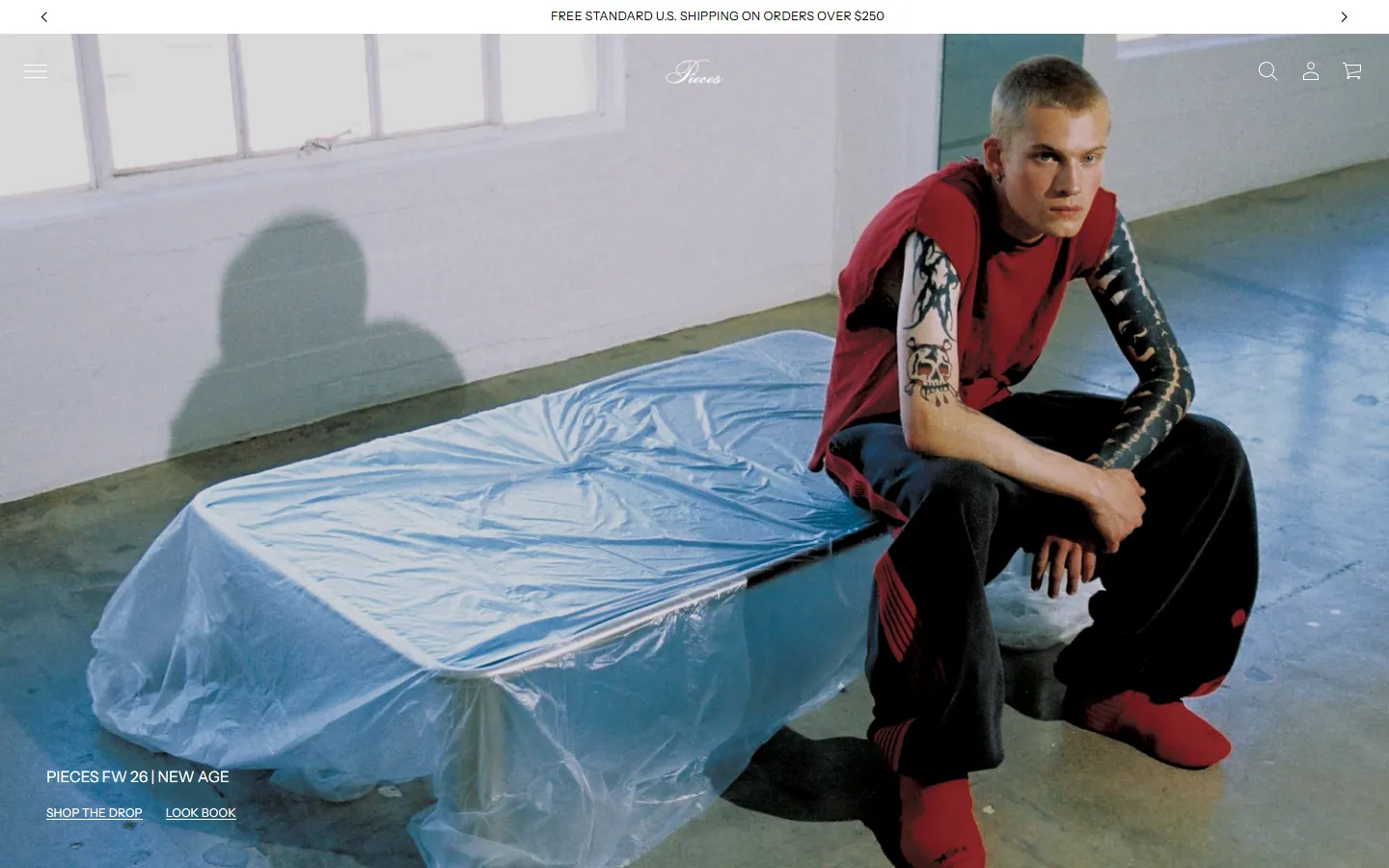
independent streetwear brand online
small batch clothing brand made in los angeles
best heavyweight hoodie brand
People type these into Google and ask them of AI assistants. What happens after they reach you matters just as much.
Where it slips

Someone exports orders from Shopify, fixes a marketplace listing by hand and updates the stock sheet after every restock or count.

A price change lands on the website but not on the marketplace or the wholesale sheet, and margin after fees, discounts and returns is never measured per product.

A boutique asking about wholesale terms or a team wanting a custom run waits in the same inbox as order-status questions.

Sizing, materials, shipping times and return policy read differently on your store, marketplaces, Google and AI shopping answers.
Part of Demand
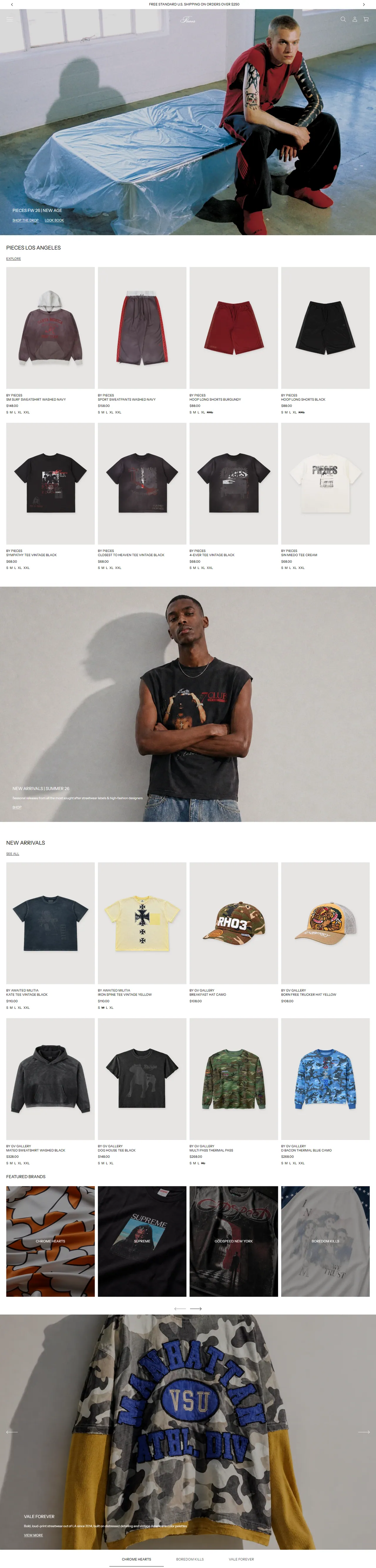
Assistants name local businesses in their answers. Being named is one part of Demand, and only pays off when the inquiry reaches a person.
Example of the answer a customer could get, with your business named in it.
One business, three layers
We start with the leak that costs you the most and build the fix where it belongs. A website is one part of Demand, not the whole answer.

Wholesale, custom and press inquiries get routed to a person, post-purchase review requests go out on time, and product facts are structured so search and AI shopping answers describe them the same way you do.

One price source feeds every channel, stock updates once and syncs where your platforms allow, and each order moves from checkout to packing to shipping label on one board.

You see margin by product and channel after fees and returns, stock about to run out, returns by reason and which channels actually pay.
Runs in our own business
The shop we run keeps one price source for its website, estimates and invoices and tracks every order to its shipping label, the same two systems a retail brand selling in several channels needs.
Part of Demand
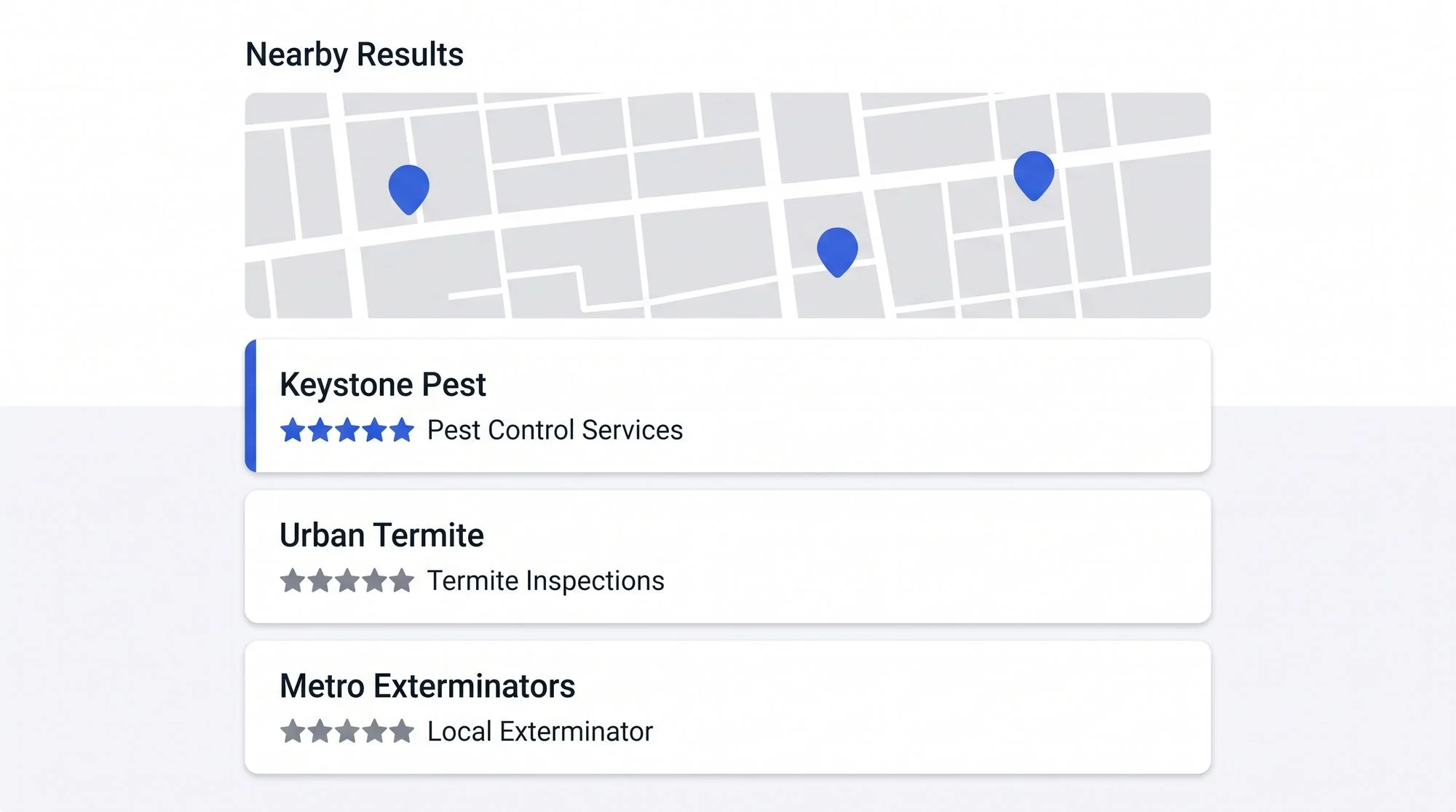
When someone nearby searches “streetwear boutique near me”, your name should be one they see, and the inquiry should land with a person.
Example of what nearby customers would see, with your business in the results.
How it starts
A free fit call first. Then the Business Performance Diagnostic looks inside your records and workflows and hands you a baseline and a ranked list of fixes to keep.
Order exports from each sales channel. Price lists by channel and wholesale. Inventory counts and adjustments. Returns and refund records. Marketplace fee statements.
Checkout to shipped order. Price change to every channel. Wholesale inquiry to first order.
We name three brands that sell in your category and show up when shoppers search for it, and compare how AI shopping answers describe their products, sizing and policies next to yours.
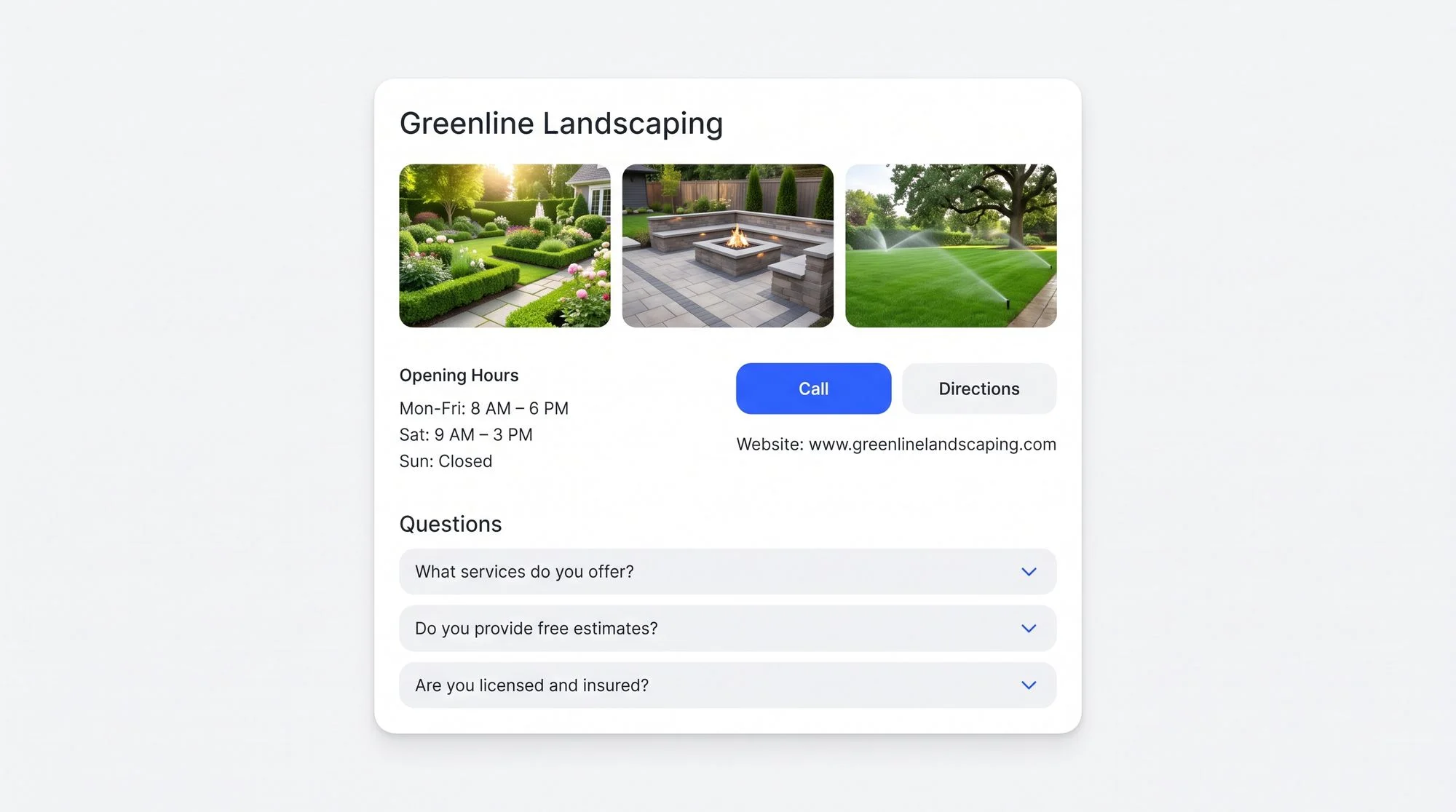
Concepts we made to show the idea. Not client work.
Search
Ads

Google profile
A change goes live on the website and waits weeks on the marketplace, so the same product sells at two prices.
Counts update in one place but not the other, and a launch or a sale turns into refund emails.
The inquiry that could become a standing account sits in the same inbox as where-is-my-package messages.
Sales grow while fees, free shipping and returns eat the difference, and nobody sees it by product.
Keep one price source and push changes from it to every channel, instead of editing each store by hand. Wholesale tiers come from the same source with their own rules. That way a price change is one edit and a check, not a hunt. We run this kind of single price source in our own business and connect it to your platforms where they allow.
Track margin by product after fees, discounts and returns, stock that will run out before the next delivery, returns by reason and sales by channel. Revenue alone hides the products and channels that lose money. A weekly view from your own order and fee records shows where to push and where to stop.
Separate them from customer service at the door with their own form or address, and route each one to a named person with a reply due. Follow-up runs until the buyer answers and then stops. Order-status questions can stay in the shared inbox. The point is that a potential account never waits behind a tracking number request.
Update stock in one place and sync it out, with a buffer on fast sellers during launches and sales. Low stock alerts give you time to pause a listing before it oversells. Syncing depends on your platforms, so we check what yours allow before promising anything.
Publish clear, consistent product facts: materials, sizing, shipping, returns and where to buy. Assistants pull from your store, marketplaces, reviews and other sites, so those need to agree. We check how assistants describe your brand and the brands you compete with, then fix the facts at the source. Nobody can promise a mention, but conflicting facts make one less likely.
For a store or brand, step one is a free 20-minute fit call. We look at your AI visibility snapshot, name the brands you compete with and find one problem worth looking into. If it fits, the Business Performance Diagnostic goes through your orders, prices and stock records and leaves you a baseline, ranked fixes and a roadmap to keep.


