



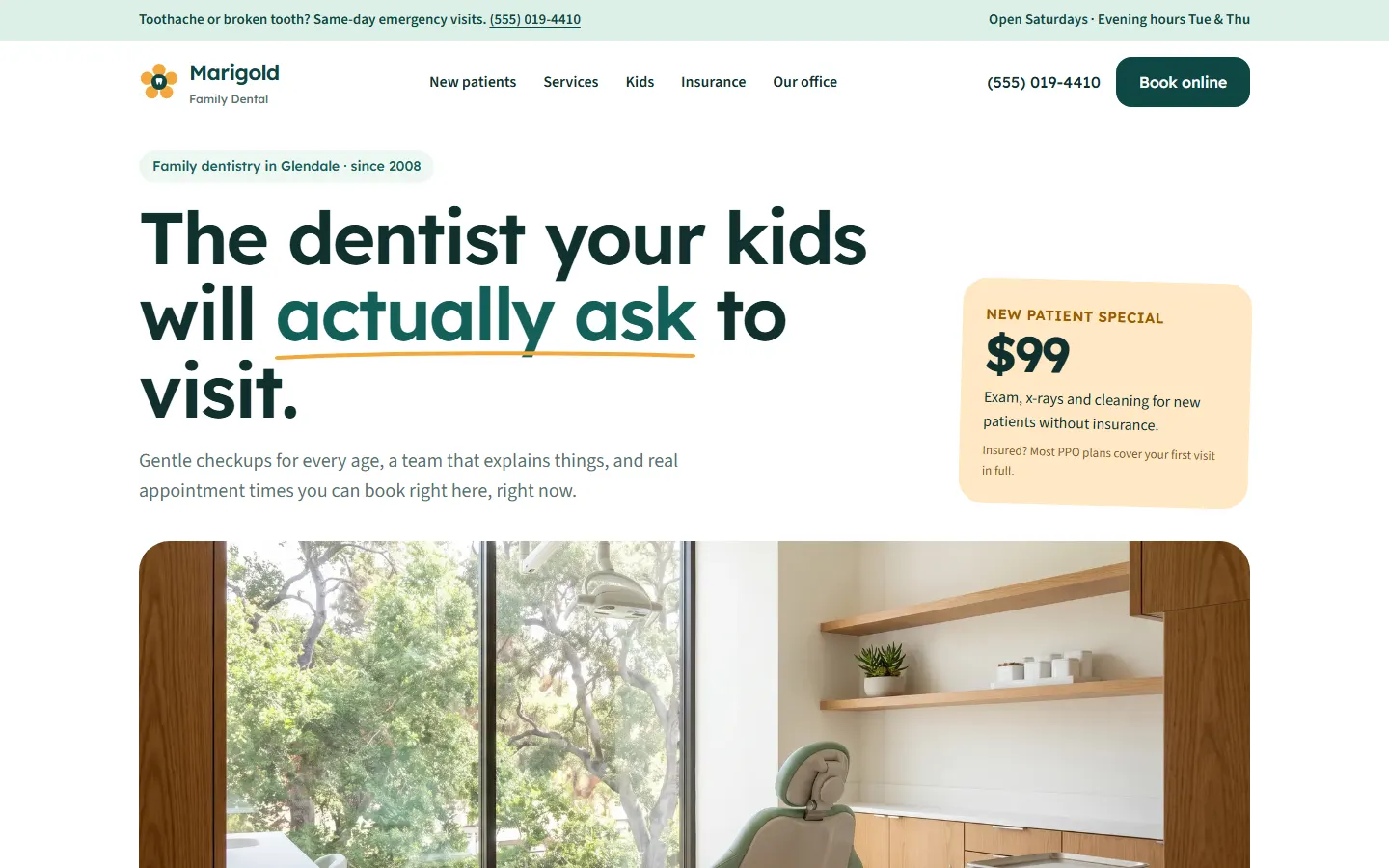


Call capture
Every call answered, day or night.
Dentists
Unscheduled treatment, recall gaps and new patient calls that ring out.
Free 20-minute call. No financial records needed.
Updated
A dental practice usually loses time at the front desk chasing confirmations and insurance details, money in accepted treatment that never reaches the schedule, leads when new patient calls ring out during procedures, and visibility when plans accepted and hours read differently online. French Press Labs builds new patient call capture, unscheduled treatment follow-up, recall tracking, a production dashboard by provider and an AI search check. Where patient data is involved, we use vendors willing to sign a BAA. The first step is a free 20-minute fit call, followed by the Business Performance Diagnostic.
dentist near me accepting new patients
emergency dentist near me
dentist that takes delta dental ppo near me
teeth whitening near me
pediatric dentist near me
People type these into Google and ask them of AI assistants. What happens after they reach you matters just as much.
Where it slips

The front desk verifies insurance, confirms tomorrow's schedule by phone and retypes intake details from paper forms, all between patients at the window.

A patient says yes to a crown or an implant, leaves without booking, and the case sits in the practice software as production nobody chases.

New patient calls roll to voicemail while the team is chairside, and a Saturday request about a cracked tooth waits until Monday morning.

Which PPO plans you take, whether you see new patients and your emergency hours can read three different ways across Google, review sites and AI answers.
Part of Demand
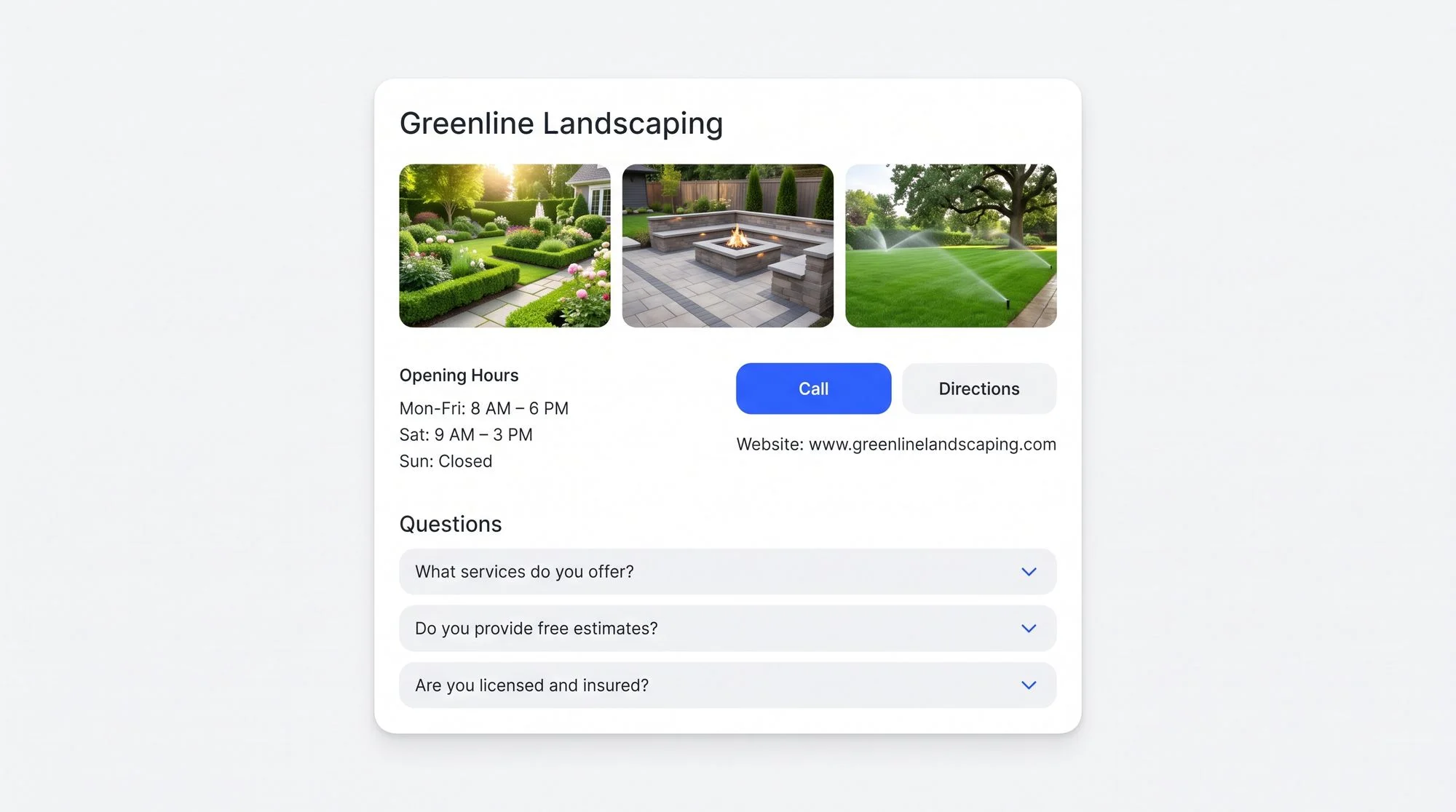
Assistants name local businesses in their answers. Being named is one part of Demand, and only pays off when the inquiry reaches a person.
Example of the answer a customer could get, with your business named in it.
One business, three layers
We start with the leak that costs you the most and build the fix where it belongs. A website is one part of Demand, not the whole answer.

Every new patient call, web request and text lands in one queue a person answers quickly. Your Google profile, reviews and AI search answers say the same thing about insurance, availability and emergencies.

Accepted treatment that has no appointment gets a timed follow-up that stops when the patient books. Recall and confirmation messages go out on schedule instead of by phone tag.

The doctor sees unscheduled treatment, recall gaps, open chair time and production by provider, built from the practice's own records.
Runs in our own business
The follow-up that stops the moment someone replies runs in our own business first, and the same pattern is what chases accepted treatment that never got booked.
Part of Demand
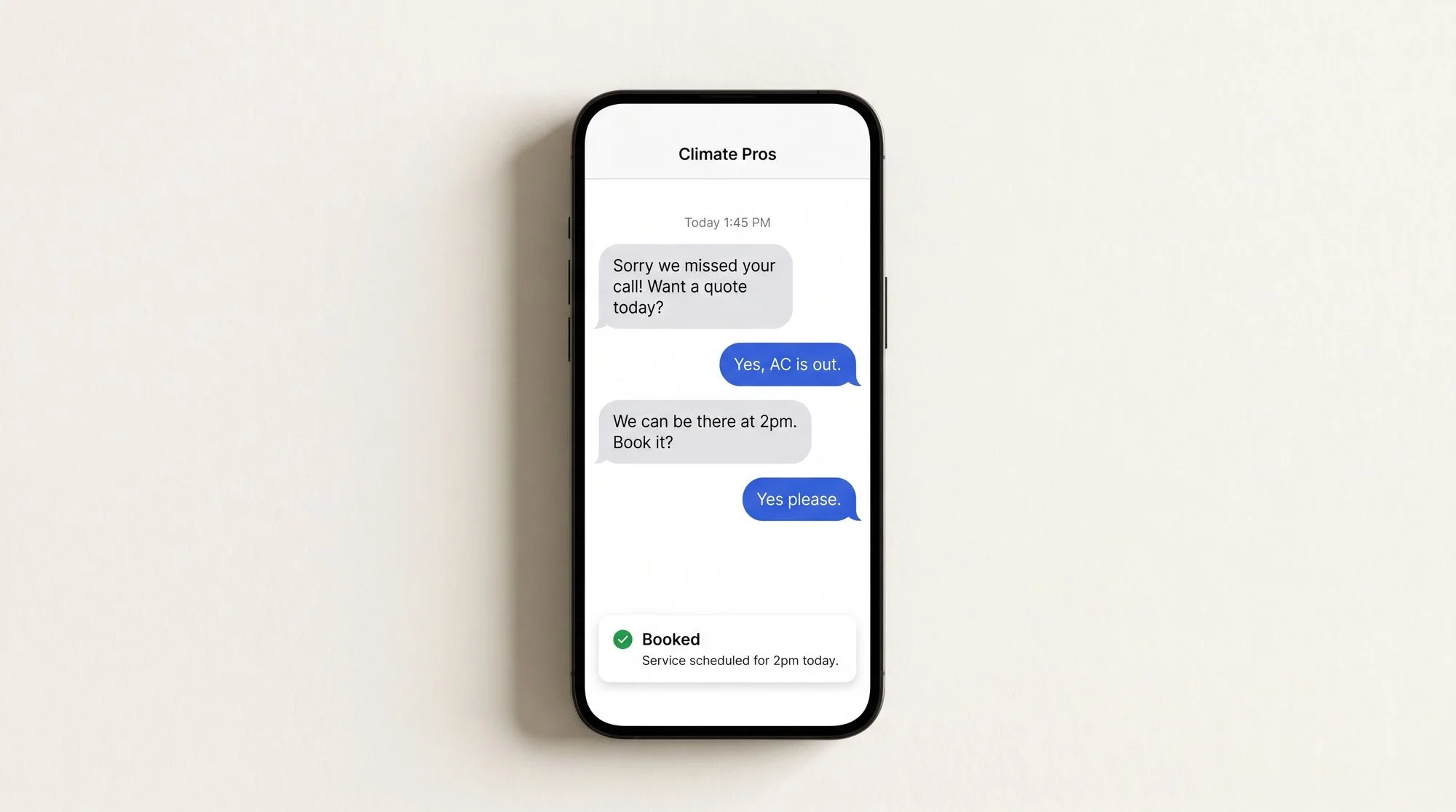
When someone nearby searches “dentist near me accepting new patients”, your name should be one they see, and the inquiry should land with a person.
Example of what nearby customers would see, with your business in the results.
How it starts
A free fit call first. Then the Business Performance Diagnostic looks inside your records and workflows and hands you a baseline and a ranked list of fixes to keep.
Call logs and missed-call reports. Treatment plans presented versus scheduled. Recall and hygiene due lists. Production reports by provider. New patient intake records.
New patient call to first visit. Treatment presented to treatment scheduled. Recall due to recall booked.
We name the three practices that show up first when someone nearby searches for a dentist accepting new patients, and compare how AI assistants describe their insurance, availability and emergency care next to yours.
Concepts we made to show the idea. Not client work.
Call capture
Google profile
AI search
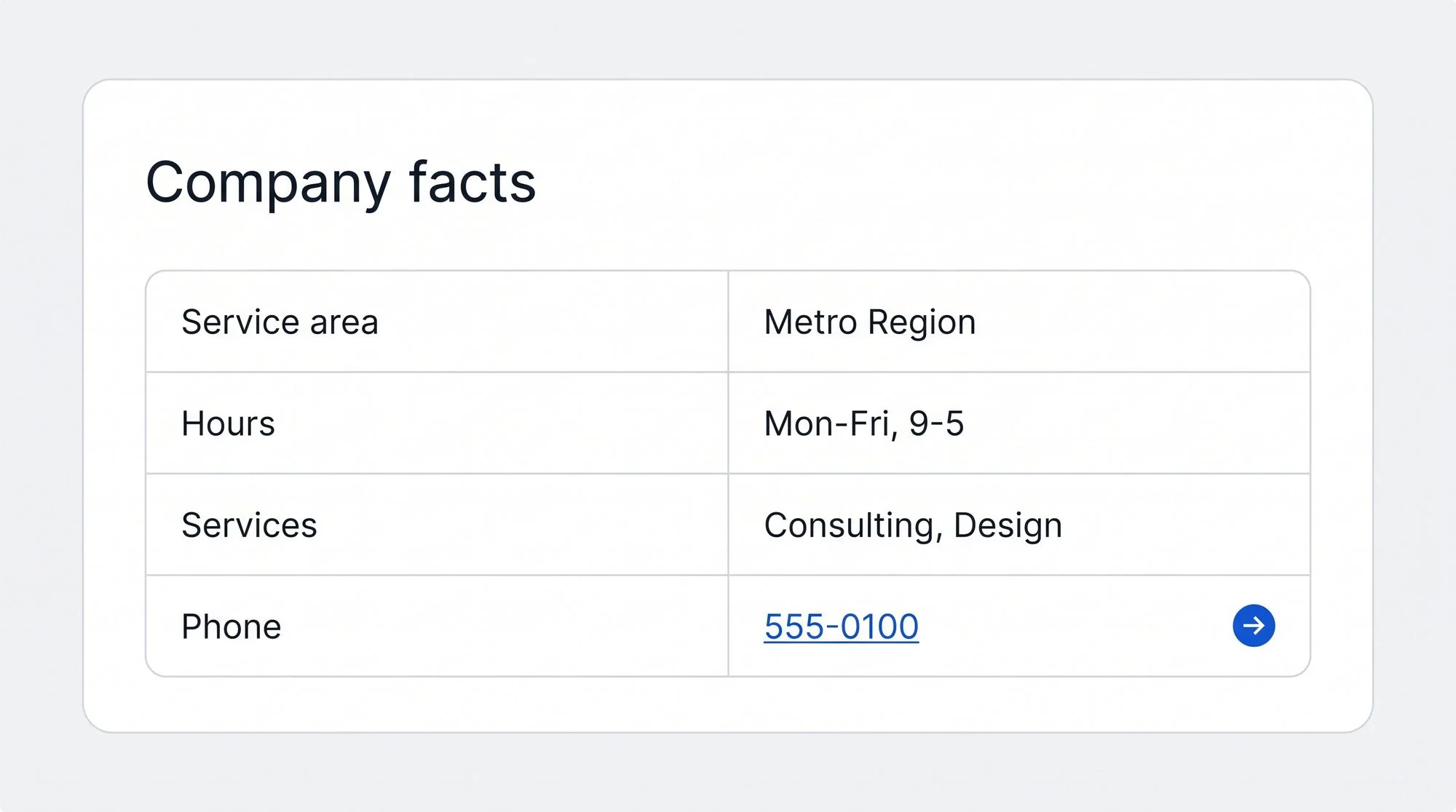
The patient agrees at checkout, nobody owns the next call, and the plan ages out of anyone's memory.
The front desk is checking someone out or the phone rings during a procedure. A first-time caller rarely leaves a message, they call the next office.
Overdue hygiene patients sit in the software until someone has a slow afternoon to work the list.
Collections and production arrive in a monthly report, too late to fix a light schedule next week.
Give every presented plan an owner and a follow-up that runs until the patient books or declines. Most offices lose these cases to silence, not to a no. A simple queue of accepted but unscheduled treatment, worked each week, keeps them from aging out. We build that queue from your practice software where it allows, and the messages stop as soon as the patient replies.
Watch unscheduled treatment, open chair time in the coming weeks, overdue recalls and new patients by source. Those four show where next month's production is coming from, or not. Production by provider and collections matter too, but they describe what already happened. A weekly owner view pulls these from your own records so nobody builds a spreadsheet on Friday.
Route every call, web request and text into one queue that someone answers quickly, with a call-back prompt for any ring that goes unanswered. After hours, emergency requests can go to the doctor on call or a clear next step. The goal is a person replying fast, not a phone tree. We set it up on top of the phone system you already have when it supports it.
Where patient data is involved, we only use vendors willing to sign a business associate agreement with your practice. Messages stick to scheduling and logistics, never clinical advice. Accounts are set up in the practice's name, so you keep control of your data if we stop working together.
AI assistants lean on what is published clearly and consistently: plans accepted, whether you take new patients, hours and services. If your Google profile, review sites and website disagree, an assistant has little to go on. We check how assistants describe you and the practices near you, then fix the facts at the source. Nobody can promise placement, but clear facts give you a fair chance.
Book a free 20-minute fit call. We look at how your practice shows up in AI search, name the offices you compete with and pick one problem worth a closer look. If it fits, the Business Performance Diagnostic looks inside your schedule, records and patient path and gives you a baseline, ranked fixes and a roadmap to keep.


