




Call capture
Every call answered, day or night.
Restoration
Night calls, adjusters, supplements and job files scattered across phones.
Free 20-minute call. No financial records needed.
Updated
A restoration company usually loses time rebuilding photos and moisture logs for each adjuster, money in claims that sit open and supplements nobody writes, leads when a night call or a plumber referral gets a slow answer, and visibility when emergency coverage reads unclear online. French Press Labs builds after-hours call routing to the tech on call, one job file per loss, a claim tracker from first notice to final payment, and update messages for referral partners. The path begins with a free 20-minute fit call, followed by a Business Performance Diagnostic.
emergency water damage near me
flood restoration near me
fire damage restoration near me
mold remediation near me
24 hour restoration company near me
People type these into Google and ask them of AI assistants. What happens after they reach you matters just as much.
Where it slips
Moisture maps, drying logs and photos get pulled off several phones and rebuilt for every adjuster, every supplement and every invoice.

Claims sit in review, supplements for added scope never get written, and deductibles stay uncollected until someone remembers.
A burst pipe at night goes to whoever answers first, and the plumbers and agents who refer you rarely hear how the job went.

Water, fire and mold services, around-the-clock availability and IICRC certification read differently across Google, listings and AI answers.
Part of Demand
Assistants name local businesses in their answers. Being named is one part of Demand, and only pays off when the inquiry reaches a person.
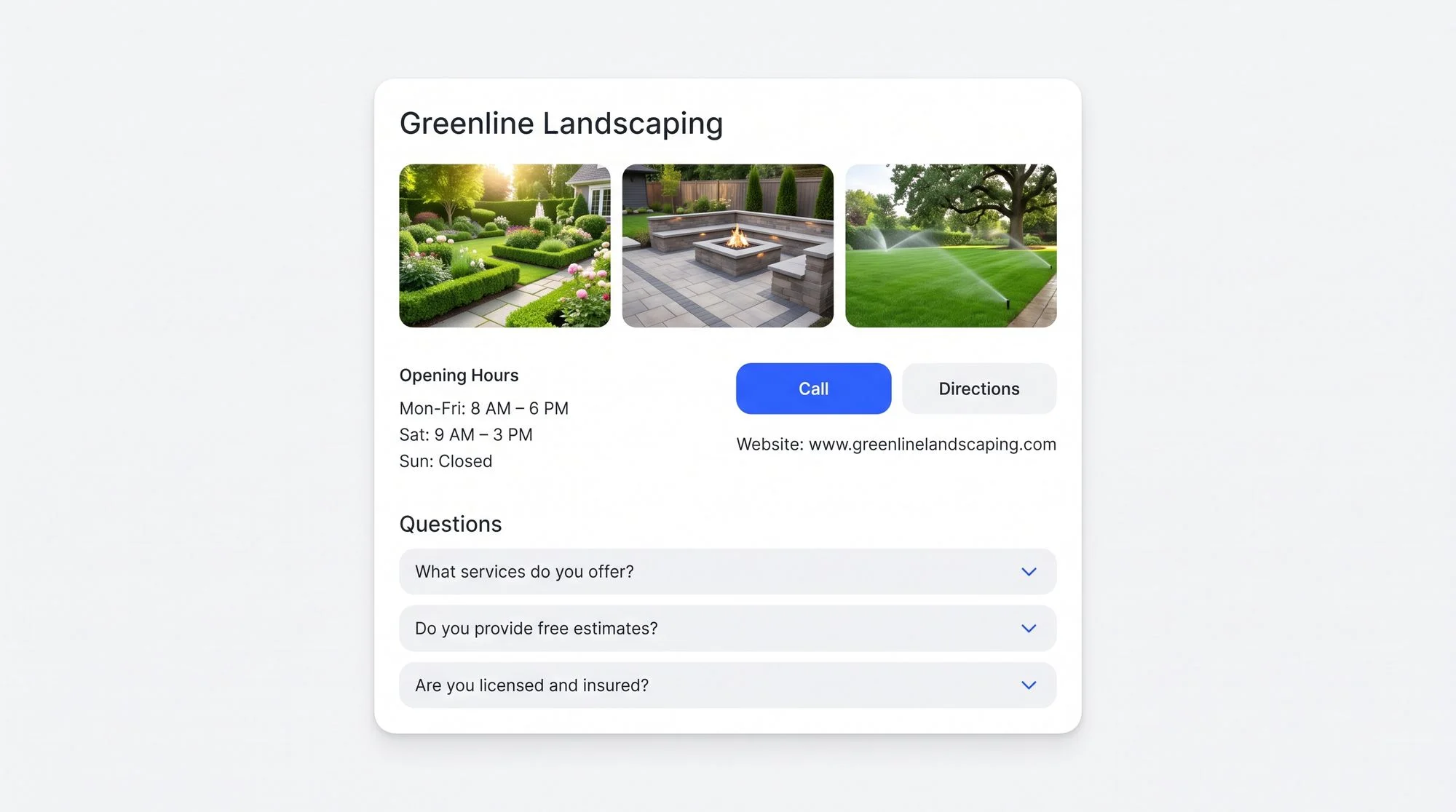
Example of the answer a customer could get, with your business named in it.
One business, three layers
We start with the leak that costs you the most and build the fix where it belongs. A website is one part of Demand, not the whole answer.
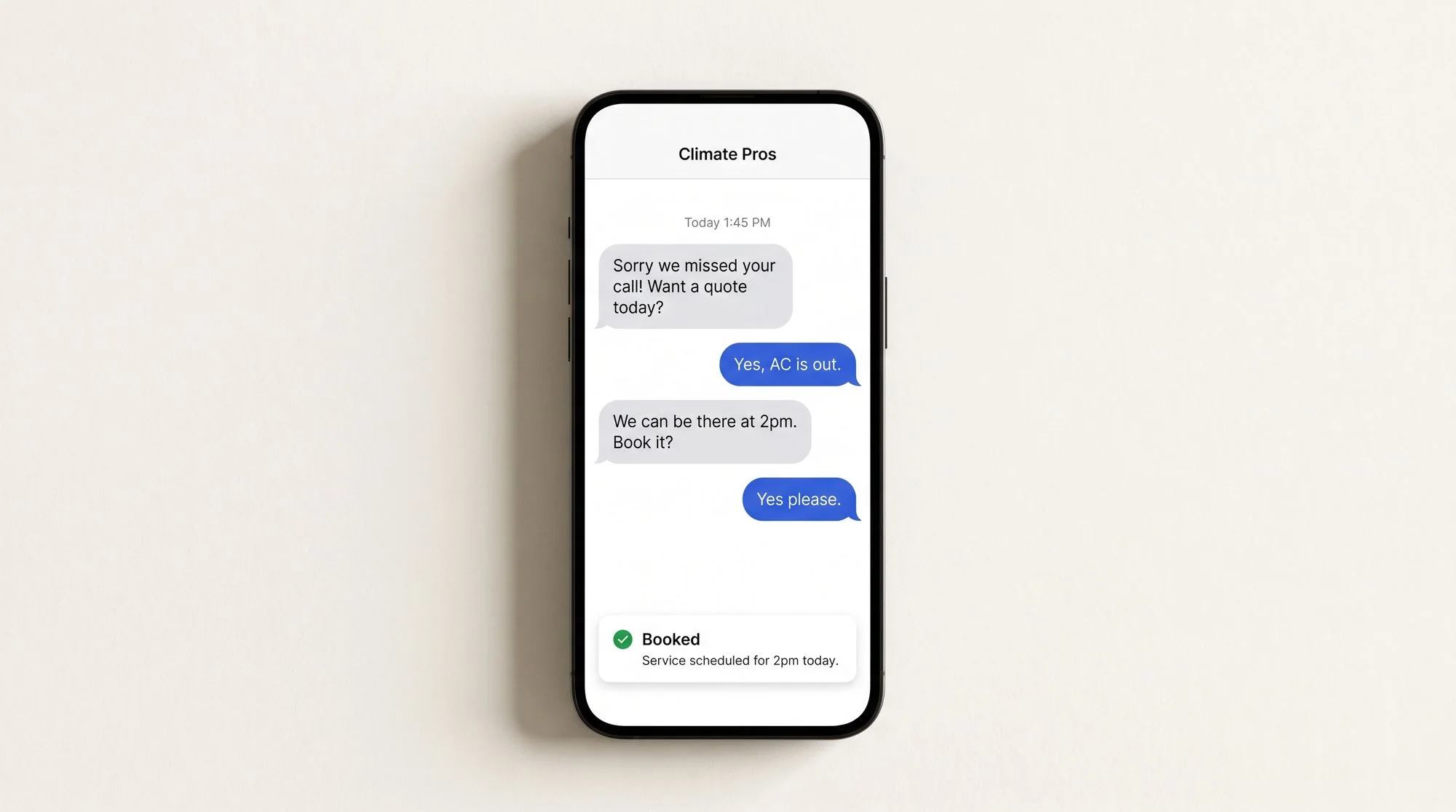
Emergency calls and forms reach the tech on call in minutes, with the loss type and address captured. Your Google profile, reviews and AI search answers make your coverage and certifications plain.
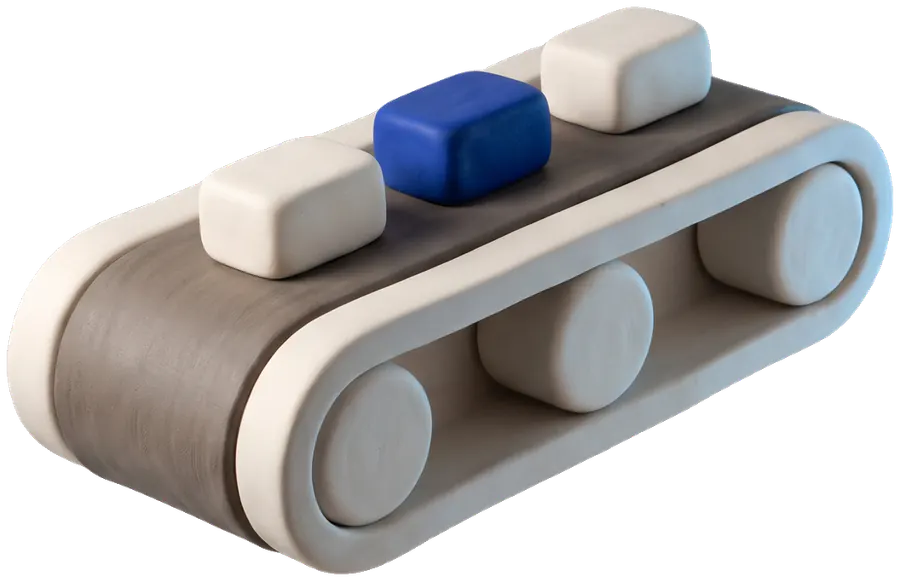
Each loss gets one job file for photos, readings and scope, and each claim moves through clear stages from first notice to final payment, with partners updated along the way.

You see open claims by age, money waiting on each carrier and margin by loss type from your own records.
Runs in our own business
A board that follows each job from order to shipping label runs in our own business, and the same idea follows a restoration loss from the first call to the final check.
Part of Demand
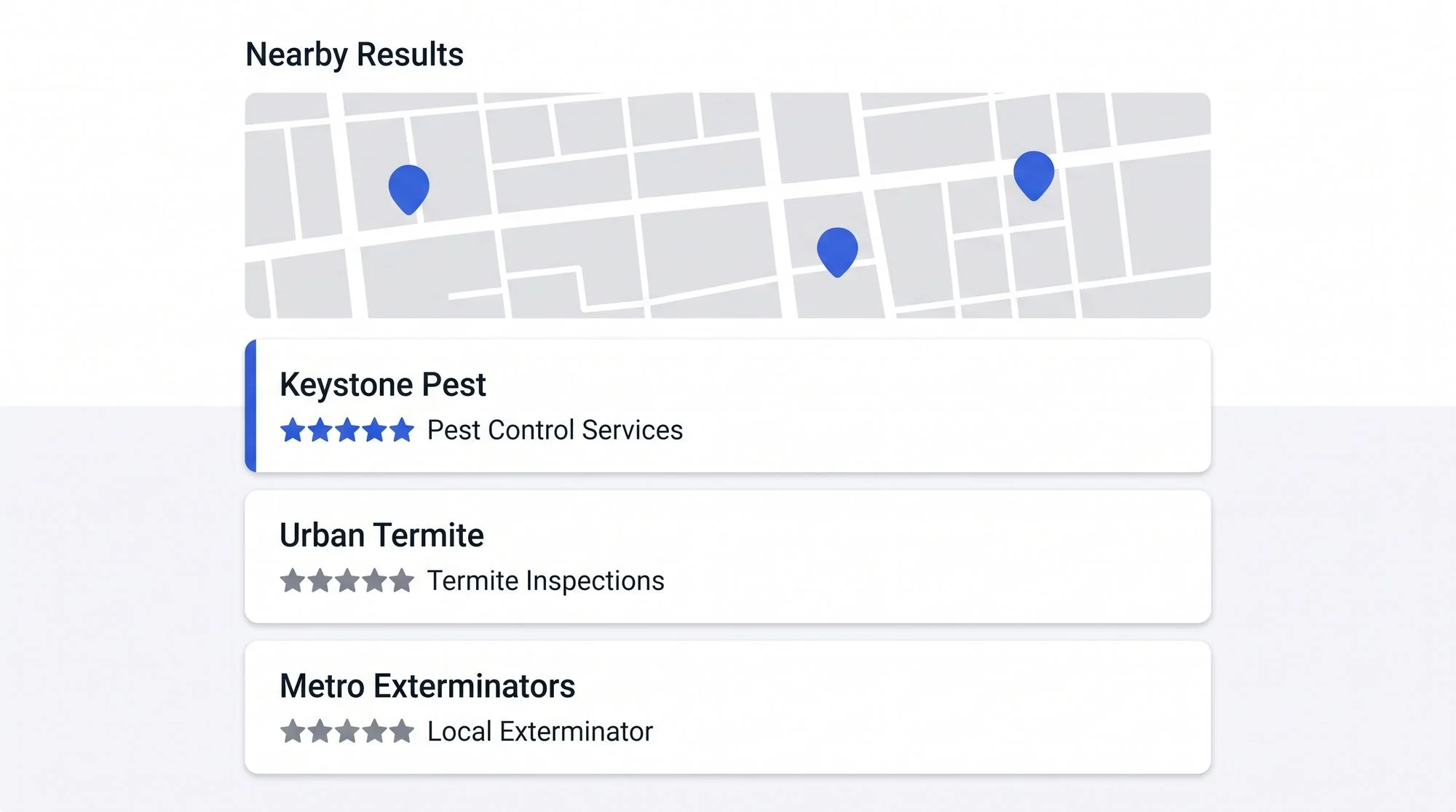
When someone nearby searches “emergency water damage near me”, your name should be one they see, and the inquiry should land with a person.
Example of what nearby customers would see, with your business in the results.
How it starts
A free fit call first. Then the Business Performance Diagnostic looks inside your records and workflows and hands you a baseline and a ranked list of fixes to keep.
Call logs and after-hours call reports. Job files, photos and drying logs. Claims with their status and carrier. Invoices, supplements and payments received. Referral sources by job.
Emergency call to crew on site. Mitigation to claim submission. Supplement to final payment.
We compare you with the restoration companies that come up first for water damage and fire cleanup searches near you, and with how AI assistants describe their response times and certifications.
Concepts we made to show the idea. Not client work.
Call capture
Google profile
Search
Photos and readings sit on several phones, so someone spends evenings assembling what the carrier asked for.
Added scope found during demo gets done but not billed, because nobody owns the supplement.
Plumbers and agents who send a loss hear nothing back, and next time they call someone else.
Open claims live in a spreadsheet or in the owner's head, so aging gets noticed only when cash runs short.
Route after-hours calls and forms to whoever is on call, with the address, loss type and insurance details captured before the callback. Set a backup in case the first person does not pick up. Speed decides many water losses, so the routing matters as much as the crew. We build this on top of your current phone setup where it allows.
Track open claims by age and carrier, money billed but not yet paid, supplements pending and margin by loss type. Add where each job came from so you know which partners send paying work. Those numbers show where cash is stuck before it turns into a crisis. We pull them from your job and accounting records instead of a hand-kept sheet.
Run a short supplement check on every job before the final invoice goes out, comparing the original scope to what the crew actually did. Keep photos and readings in one job file so the evidence is ready when the adjuster asks. Missed supplements usually come from no one owning the step. We build the check into the job workflow so it shows up on every loss.
Tell them what happened. A short update when the crew arrives and another when the job closes keeps plumbers, agents and property managers confident about sending the next loss. Most companies mean to do this and run out of time. We send the update from the job record, and a person reviews it before it goes.
Usually because their coverage, certifications and around-the-clock availability are stated clearly and consistently, and yours are not. AI assistants draw on your Google profile, listings, reviews and website, and when those disagree the answer gets vague. We check every source and close the gaps, starting with the ones buyers see first.
Start with a free 20-minute fit call, where we look at your AI search snapshot and name the competitors who show up for emergency searches near you. If there is a problem worth digging into, the Business Performance Diagnostic reviews your job files, claims and call records. You keep the baseline, the ranked fixes and the roadmap whether or not we build anything.


